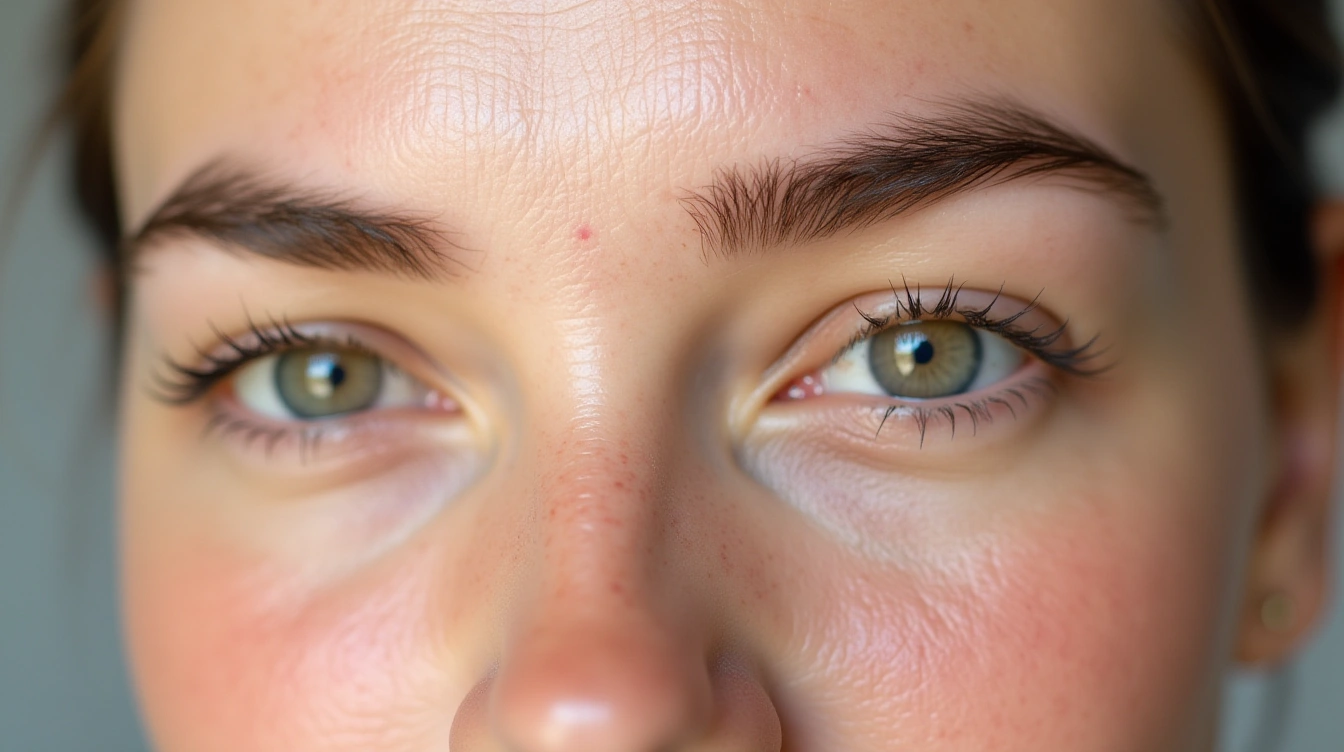
More than half of all women will experience some form of facial pigmentation during their lives. For many, melasma isn’t just a skin condition-it’s a daily emotional weight, a patchy reminder that lingers beneath makeup and self-confidence. Traditional creams often fail to reach deeper pigment layers, leaving patients frustrated. But recent advances in laser science offer a shift: not gradual fading, but precise fragmentation of melanin, with minimal disruption to surrounding tissue. This is where picosecond technology begins to redefine expectations.
The mechanism of picosecond technology for skin clarity
Unlike older thermal lasers that rely on heat to break down pigment-a process that risks collateral damage-modern pico lasers operate on a principle called photoacoustic energy. These systems deliver ultra-short pulses measured in trillionths of a second, generating powerful pressure waves rather than sustained heat. This shockwave effect shatters melanin clusters into dust-like particles, which the body then clears naturally through its lymphatic system. Because the energy is so brief, surrounding skin cells remain largely unaffected, reducing inflammation and the risk of post-treatment hyperpigmentation.
In the same genre : What Are the Cultural Influences on Healthcare Perception in the UK?
The precision of this method is particularly effective for conditions like melasma, where pigment resides in both the epidermis and dermis. By targeting specific wavelengths-commonly 755 nm or 1064 nm-clinicians can adjust depth and intensity based on skin type and lesion characteristics. Treatment sessions themselves are quick, often under 30 minutes for full-face coverage, and require no anesthesia. For those seeking professional clarity on the treatment’s technical specifications and safety protocols, one can consult the detailed guidelines at https://perfectioncosmeticclinic.com/picosure-pro/.
How ultra-short pulses target melanin
The key advantage lies in pulse duration. Traditional Q-switched lasers operate in nanoseconds, while picosecond lasers are up to 100 times faster. This speed allows for a cleaner breakage of pigment with less heat diffusion. Think of it like cracking a walnut: a slow press crushes everything, but a sharp tap splits the shell cleanly. In dermatology, that means fewer sessions and safer outcomes, especially for delicate or darker skin tones.
Also to see : What Measures Can Individuals Take to Enhance Their Well-being in the UK?
Benefits of choosing Pico laser for melasma management
One of the most compelling reasons to consider pico laser treatment is its minimal downtime-a feature that has earned it the nickname “lunchtime procedure.” Patients can typically return to work or social activities immediately, with only slight redness or swelling that fades within hours. This contrasts sharply with older ablative techniques that required days of recovery and strict sun avoidance.
- 🌟 Reduced thermal risk: Non-thermal mechanisms protect healthy tissue and lower the chance of rebound pigmentation.
- 🌟 Fewer sessions needed: Many patients see visible improvement after just 3 to 5 treatments, spaced 4 weeks apart.
- 🌟 Effective on resistant pigmentation: Targets both superficial sunspots and deeper melasma layers that topical creams can’t reach.
- 🌟 Safe for diverse skin types: Lower heat means less risk for Fitzpatrick skin types IV to VI, who are more prone to complications.
- 🌟 Collagen stimulation: The photoacoustic effect also triggers mild dermal remodeling, improving texture and tone over time.
Minimizing downtime and thermal damage
Because pico lasers avoid prolonged heating of the skin, they sidestep one of the major drawbacks of older technologies: post-inflammatory hyperpigmentation (PIH). This is especially crucial for facial and neck areas, where skin is thin and reactive. The absence of open wounds or peeling means patients don’t need special aftercare beyond gentle cleansing and moisturizing.
Safety for diverse skin tones
Darker skin contains more melanin, making it more susceptible to heat-based damage. The non-thermal nature of picosecond lasers makes them a safer option, as they selectively fragment pigment without triggering excessive melanocyte activity. Still, proper settings and experienced operators are essential-this isn’t a one-size-fits-all solution.
Long-term skin rejuvenation effects
Beyond pigmentation, many patients notice a subtle improvement in skin tightness and radiance. This is due to the stimulation of collagen and elastin production, a beneficial side effect of the controlled micro-injury caused by the laser pulses. Over several months, this can lead to a more even complexion and reduced appearance of fine lines.
Comparing Pico laser with alternative pigmentation removal methods
When evaluating treatment options, it’s important to understand how pico lasers differ from other approaches. While each method has its place, pico technology stands out for its speed, precision, and safety profile.
Pico vs. Q-Switched lasers
Q-switched lasers were once the gold standard for pigment removal, but their nanosecond pulses generate more heat. This increases the risk of PIH, especially in darker skin. Pico lasers, with their shorter pulses, create stronger photoacoustic effects with less thermal spread, leading to cleaner results and fewer sessions.
Laser therapy vs. topical chemical peels
Chemical peels work by exfoliating the upper layers of skin, which can help with surface discoloration. However, they’re ineffective for dermal melasma and may irritate sensitive skin. Lasers, particularly fractional or picosecond types, penetrate deeper without damaging the surface, offering a more targeted solution.
Expected timelines for visible results
Melasma is a chronic condition, and while pico laser can significantly reduce its appearance, results are gradual. Most patients see improvement after 3 sessions, with optimal outcomes around 5 to 6. Maintenance is key-without strict sun protection, recurrence is common. It’s not a quick fix, but a step in a broader skin health strategy.
Investment and logistical considerations for patients
While pico laser treatment may have a higher upfront cost compared to traditional methods, the long-term value often justifies the expense. Fewer sessions, reduced risk of complications, and better results contribute to a favorable cost-to-benefit ratio. Pricing varies based on treatment area, pigment complexity, and geographic location.
Understanding the cost-to-benefit ratio
For example, while topical treatments may cost less per month, their slow action and inconsistent results can lead to years of ongoing expense with minimal improvement. In contrast, a full course of pico laser sessions-though initially more costly-can deliver lasting change in a matter of months. The investment isn’t just financial; it’s in time, confidence, and skin health.
| 🛠️ Treatment Type | 💵 Common Price Ranges | ⏱️ Number of Sessions | 🎯 Primary Target |
|---|---|---|---|
| Small pigment removal | 200-500 | 3-5 | Localized sunspots, freckles |
| Skin Toning | 500-800 | 4-6 | Overall complexion, melasma |
| Tattoo removal | 200-500+ (small areas) | 6-10 | Ink pigmentation, multi-color tattoos |
Pre-treatment protocols and aftercare for optimal efficacy
Success doesn’t begin under the laser-it starts with proper preparation. A professional skin assessment is essential to determine the type and depth of pigmentation, as well as to rule out contraindications like active infections or certain medications.
Preparing the skin surface
In the week before treatment, patients are usually advised to stop using retinoids, acids, or other exfoliating products that can sensitize the skin. Sun exposure should be minimized, and any recent tanning-natural or artificial-may delay the procedure. Hydration and a consistent skincare routine help prime the skin for better response.
Maintaining results with sun protection
Post-treatment sun protection is non-negotiable. UV exposure is the primary trigger for melasma recurrence. Dermatologists recommend daily use of broad-spectrum SPF 30 or higher, even on cloudy days. Physical blockers like zinc oxide offer additional protection and are less likely to irritate post-laser skin.
What to expect during the healing phase
Immediately after treatment, the skin may appear slightly red or swollen-similar to a mild sunburn. These effects usually resolve within a few hours to a day. Some patients report a temporary darkening of pigmented areas before they flake off, a sign the pigment is being expelled. This is normal and part of the process.
Success factors for pigmentation removal laser
No treatment works in isolation. Genetics play a significant role in melasma, particularly in women with hormonal sensitivity or family history. While lasers can clear existing pigment, long-term success depends on managing internal and external triggers-hormones, stress, and especially sun exposure.
The role of lifestyle and genetics
Patients who combine laser therapy with hormonal balance, antioxidant-rich skincare, and consistent sun avoidance tend to see the most durable results. Think of the laser as a reset button, not a permanent fix. It’s part of a larger ecosystem of skin health-one where patience, consistency, and professional guidance make all the difference. In this context, choosing a clinic with experienced practitioners and proper protocols becomes as important as the technology itself.
The Essential Questions
I’ve tried creams for years with no luck; will this finally work for my dermal melasma?
Pico laser can reach deeper pigment layers that topical creams cannot penetrate effectively. While creams work on surface-level discoloration, the laser’s photoacoustic energy targets melanin in the dermis, offering a more direct solution for stubborn melasma.
Is it normal to feel a sharp ‘snapping’ sensation during my very first Pico session?
Yes, many patients describe the feeling as a quick snap from a rubber band against the skin. It’s brief and tolerable, especially since no anesthesia is needed, and the sensation fades immediately after each pulse.
Can I apply makeup right after my appointment if I have a social event later that day?
Most people can resume makeup use within a few hours, but it’s better to let the skin breathe initially. Waiting until any redness subsides helps prevent clogged pores and supports optimal healing.